Human Information Privacy
An interview with Prof. Neil Richards
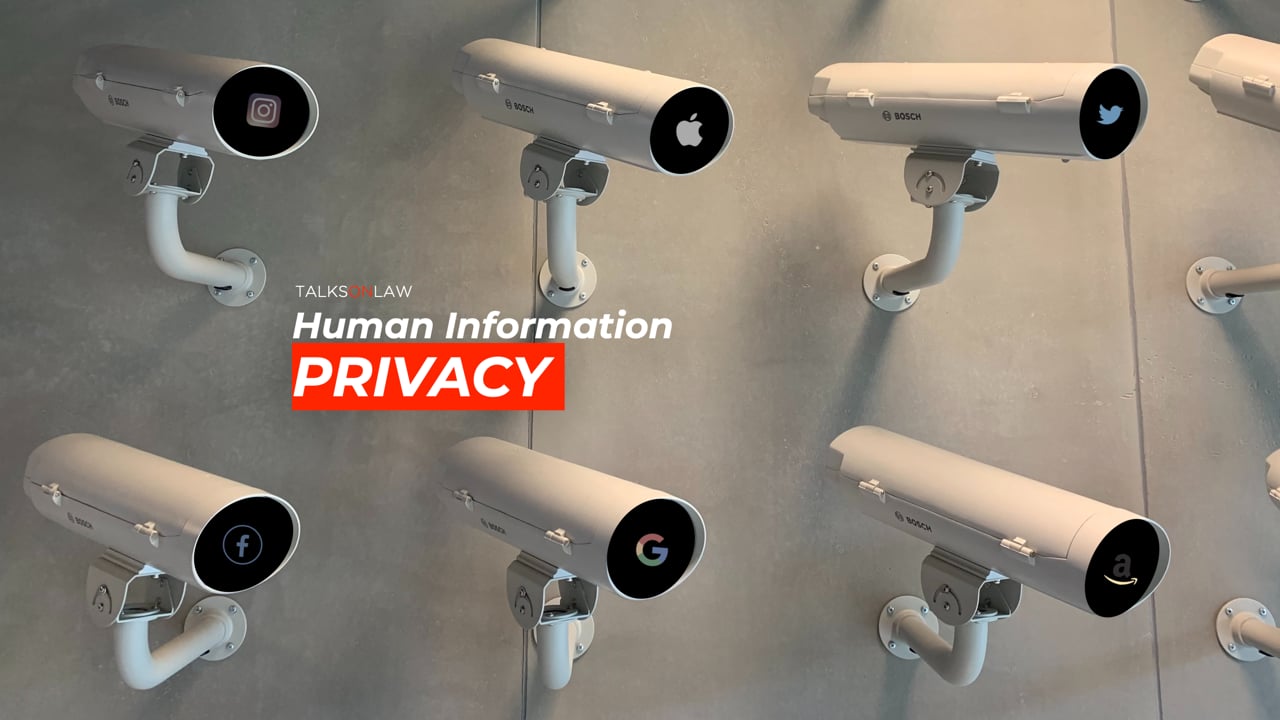
As troves of personal data are collected, stored, and used by governments and private companies in today’s digital age, privacy is becoming an increasing concern. Privacy is essentially about setting boundaries to limit the power that information confers on entities, whether public or private, over individuals. Without adequate privacy safeguards, governments have a blank check to interfere in legitimate political exercise and companies are free to manipulate consumers through “dark patterns.” Professor Neil Richards of Washington University in St. Louis School of Law discusses why privacy matters in the digital age and the current framework of constitutional protections against government surveillance. He then explores where the U.S. legal framework falls short, namely in consumer protection against private entities, and the ways in which the digital world is designed by tech companies to steer consumers into giving up ever more personal information.
Watch Part 2 of Human Information Privacy.
Listen on Podcast
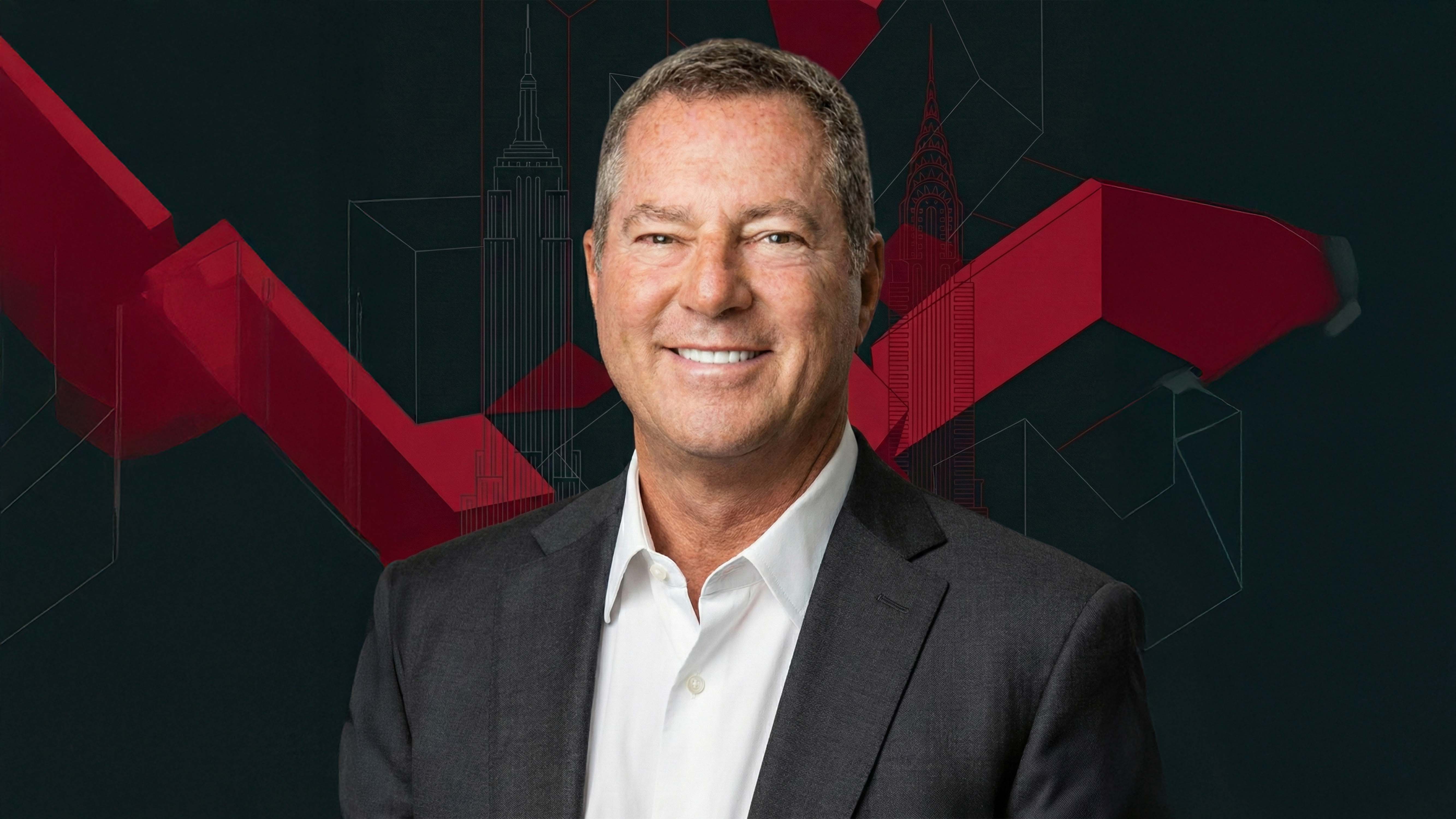
About Prof. Neil Richards
“We should strive to craft our human information policy with legal rules that promote human flourishing, that promote human values, and more concretely, promote trust in the companies.”
Professor Neil Richards holds the Koch Distinguished Professor in Law at Washington University in St. Louis School of Law, where he co-directs the Cordell Institute for Policy in Medicine & Law. He is one of the world’s leading experts in privacy law, information law, and freedom of expression. He writes, teaches, and lectures about the regulation of the technologies powered by human information that are revolutionizing our society. He is also an affiliate scholar with the Stanford Center for Internet and Society and the Yale Information Society Project, a Fellow at the Center for Democracy and Technology, and a consultant and expert in privacy cases. Professor Richards serves on the board of the Future of Privacy Forum and is a member of the American Law Institute. He served as a law clerk to both William H. Rehnquist, Chief Justice of the United States and Paul V. Niemeyer, United States Court of Appeals for the Fourth Circuit. Professor Richards is the author of Why Privacy Matters (Oxford Press 2021) and Intellectual Privacy (Oxford Press 2015).