Cyberattack as Use of Force
An interview with Prof. Duncan Hollis
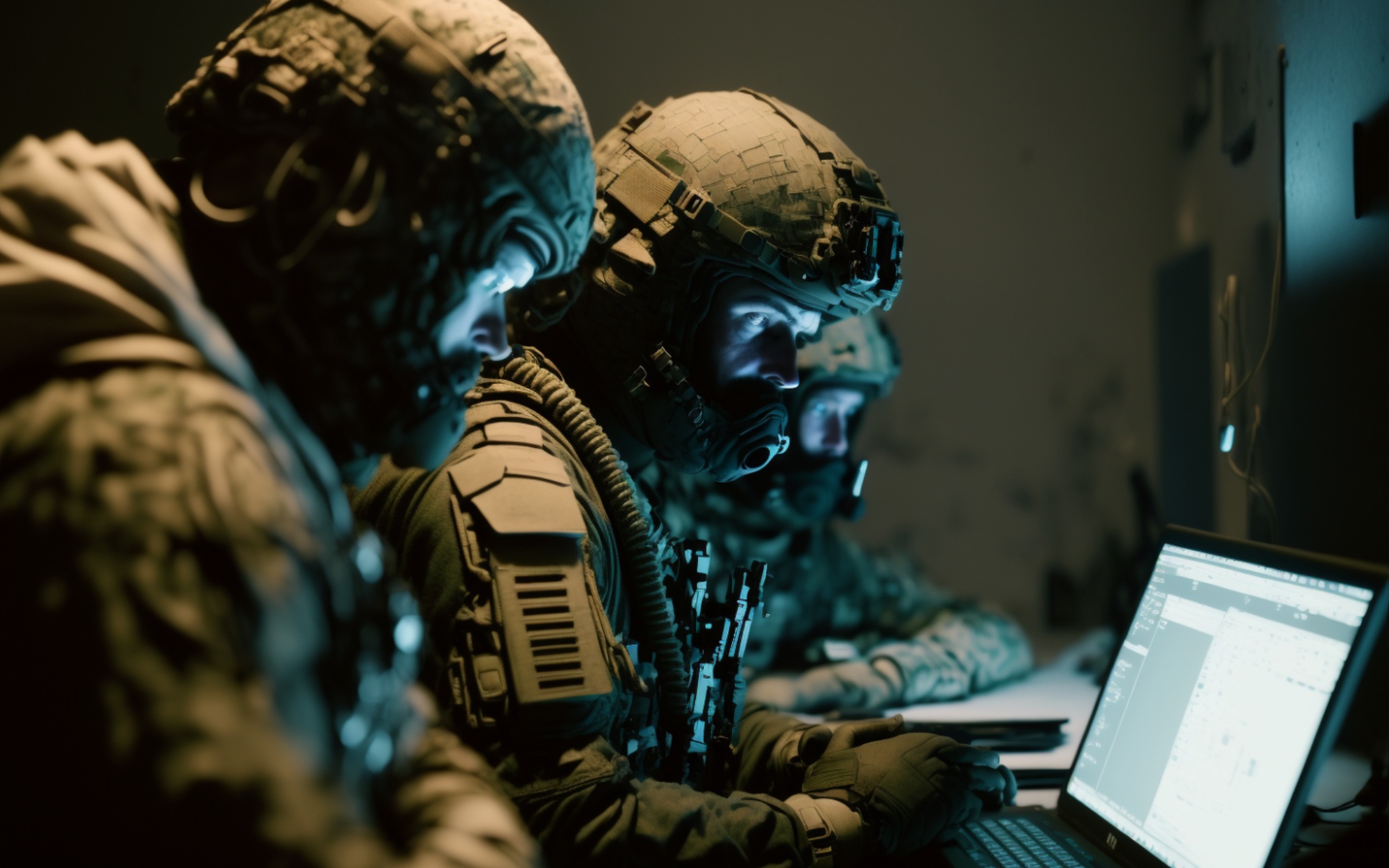
Cyberwarfare has muddled the understanding of what constitutes the use of force and armed attacks under international law. The 2022 Russian invasion of Ukraine has once again highlighted the risks that states and private entities face in the new realm of cyberwarfare and the need for establishing and clarifying international norms in this context. The Biden administration in March urged private entities to bolster their cyber defenses and warned that the U.S. was prepared to use all tools available to respond to cyberattacks. Under international law, whether those tools may include military responses hinges on determining that a cyberattack is an unlawful use force equivalent to an armed attack. Professor Duncan Hollis of Temple Law explains the development of international cyberspace law, starting with the preliminary questions of whether and how existing international laws apply. He explores the issues with international law’s application to cyberspace, including interpretive disagreements among states and the challenges of developing norms when cyber activities are covert.
Watch Part 2 of Cyberattack as Use of Force.
Listen on Podcast
About Prof. Duncan Hollis
“That’s long been a worry about these cyber operations, that unless there’s at least enough sharing or agreement on those rules of the road, we might end up stumbling into a conflict.”
Duncan B. Hollis is the Laura H. Carnell Professor of Law at Temple Law School. His scholarship engages with issues of international law, interpretation, and cybersecurity, with a particular emphasis on treaties, norms, and other forms of international regulation. Hollis is currently a non-resident Scholar at the Carnegie Endowment for International Peace and an elected member of the American Law Institute, where he served as an Adviser on its project to draft a Fourth Restatement on the Foreign Relations Law of the United States. In 2016, he was elected by the General Assembly of the Organization of the American States to a four-year term on the OAS’s Inter-American Juridical Committee. There, he has served as the Rapporteur on binding and non-binding agreements as well as the Rapporteur on improving the transparency of State views on international law’s application to cyberspace. Hollis has also served as a Senior Fellow at Melbourne Law School, a Visiting Professor at LUISS Università Guido Carli, and a Visiting Scholar at the University of Pennsylvania’s Perry World House. For more than a decade he was a regular contributor to the international law blog, Opinio Juris. Professor Hollis’s books include The Oxford Guide to Treaties (OUP, 2nd ed., 2020), International Law (with Allen Weiner), and Defending Democracies: Combatting Foreign Election Interference in a Digital Age (OUP, 2020). His articles have appeared in various journals and books.