The COVID-19 Vaccine and the Role of the State
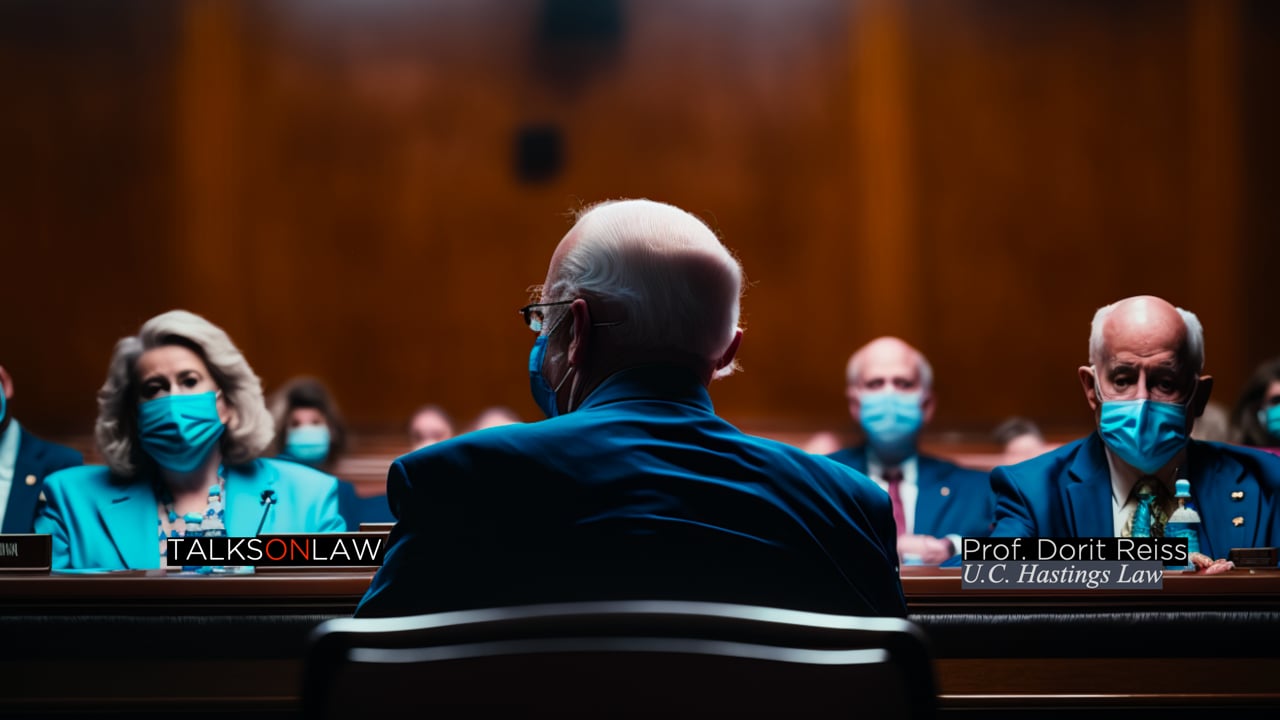
An interview with Prof. Dorit Reiss
Since the first emergence of COVID-19 in late 2019, over 55 million cases have been reported worldwide. While countries around the world have imposed lockdowns and other measures to attempt to stem the tide, without a vaccine, the pandemic is poised to proliferate. Vaccines typically take years to research, test, and manufacture, but governments and pharmaceutical companies are racing to expedite development in hopes of making a vaccine widely available by early 2021. Professor Dorit Reiss of UC Hastings Law explains how vaccines are typically developed, what’s been different for the COVID-19 vaccine, and the potential dangers of rushing to market. She then explores the challenge of vaccinating large populations and what the government and private employers can do to mandate or encourage vaccinations.
About Prof. Dorit Reiss
“If this vaccine backfires, we may have mistrust in vaccines in general, and we may be giving more ground to claims against vaccines that are tested, are well supported by data, and that will lead people to be more vaccine hesitant.”
Dorit Reiss is a Professor of Law and the James Edgar Hervey '50 Chair of Litigation at UC Hastings Law. Reiss’ expertise is in administrative and government law, health care law and policy, international law, and vaccine law and policy. Her recent focus has been on vaccines, examining the constitutional framework for vaccine mandates and the legal remedies for non-vaccinations. She serves as a member of the Parents Advisory Board of Voices for Vaccines and is a frequent contributor to the Skeptical Raptor blog, with over 160 articles published on their website. Her articles have been published in numerous prestigious journals, including the Journal of Law, Medicine & Ethics, the Stanford Law Review, and the Hastings Law Journal. She has been a source on vaccine mandates and under-immunization risks for a wide range of news outlets, including the National Geographic, CNN and USA Today.